
Once a donor fills this out, they’ll click submit, and in a matter of days the donated stock will be liquidated and deposited as cash into your bank account. In this guide, we’ll cover how to accept stock donations without causing your nonprofit financial or emotional stress plus the top three ways it can benefit your nonprofit. Ensure your fundraisers can confidently speak about the benefits of donating stock and how your donation process works. Double-check that all involved teams (including Financial Forecasting For Startups those in finance/accounting) understand their responsibilities when gifts are received. Depending on your stock giving tool, this process may look different for each organization.
Why Accurate Reporting & Accounting of Stock Gifts is Essential

It is necessary to carefully read the award agreement, terms and requirements to determine if a document referred to as a grant is truly a contribution or an exchange transaction. VolunteersMost nonprofits depend on volunteers to some extent, and small and midsized organizations may engage volunteers in significant mission and management activities. Organizations should develop clear guidelines for volunteers, emphasizing the expectation that the volunteers will follow the organization’s workplace and internal controls policies. In some cases it may be appropriate to provide a volunteer handbook and specific volunteer job descriptions. The organization may want to consider obtaining bonding coverage for volunteers if they regularly handle cash. This level of attention shows professional respect for volunteers and appreciation of the valuable service they provide.
- This ensures financial statements accurately reflect the organization’s resources and financial position.
- Your letter should acknowledge the gift of stock, including the ticker, the number of shares, and the date of the donation.
- If your nonprofit or church has investment accounts, you will notice on the brokerage statements the earnings may be divided into Realized and Unrealized Income.
- Many times I’ve heard organizations say they don’t accept stock transfers because they don’t have an investment account.
- This information is still important to share, but by not leading with it, the organization reduces the chances that a new donor will unknowingly give anonymously.
- In general, the recipient of a gift takes the cost basis of the donor of the gift, and does not, for tax purposes, get a step-up in basis to the value at the time of the gift.
Set up your nonprofit’s stock donation tool.

The value given to the item should be the estimated fair value of the donated item. You can create an adjusted journal entry based on the value trial balance the item was sold for since that is truly the value of the donation. Right next to this account you would also need an account for Special Events In-Kind Expenses to record the offset from the income. This assumes any in-kind donations related to the event are used up in the course of the event. Creating a policy is like making a decision when you have time to be thoughtful, to do adequate research, and to consult colleagues and other professionals rather than making decisions in haste as circumstances arise. Creating thoughtful policies is a fundamental risk management strategy and a hallmark of good stewardship.
Stages of a Capital Campaign
This form of philanthropy nonprofit accounting for stock donations offers unique benefits, both for the donor and the recipient. Understanding how to properly account for these transactions is crucial for maintaining accurate financial records and ensuring compliance with tax regulations. In accounting, a nonreciprocal transaction is a one-way transaction (transfer of assets or services) where the recipient does not provide anything of equivalent value in return. These transactions fall under the accounting guidance for contributions (ASC 958). In contrast, a reciprocal (exchange) transaction is one where both parties give and receive value. These types of transactions fall under the accounting guidance in ASC 606.
In accordance with generally accepted accounting principles (GAAP), a contribution should be recorded at the fair value of the stock on the date received. As explained above, dedicated tools designed to improve the donor experience and gather the information your nonprofit needs will help you raise more. For the best results, use a platform like FreeWill to simplify and automate the stock fundraising process.
- In 2018, the Financial Accounting Standards Board (FASB) issued guidance to clarify and improve the accounting guidance for grants and contributions.
- Depending on which stock giving tool you use, this step may look slightly different.
- The process begins with recognizing the fair market value of the donated stock, which serves as the basis for all subsequent entries.
- CFO Selections has created strong connections with nonprofit organizations throughout the regions we serve, in Oregon through our partnership with the Nonprofit Association of Oregon (NAO).
- To accept gifts of stock, you’ll need to open a brokerage account or work with a fundraising tool that serves as a brokerage.
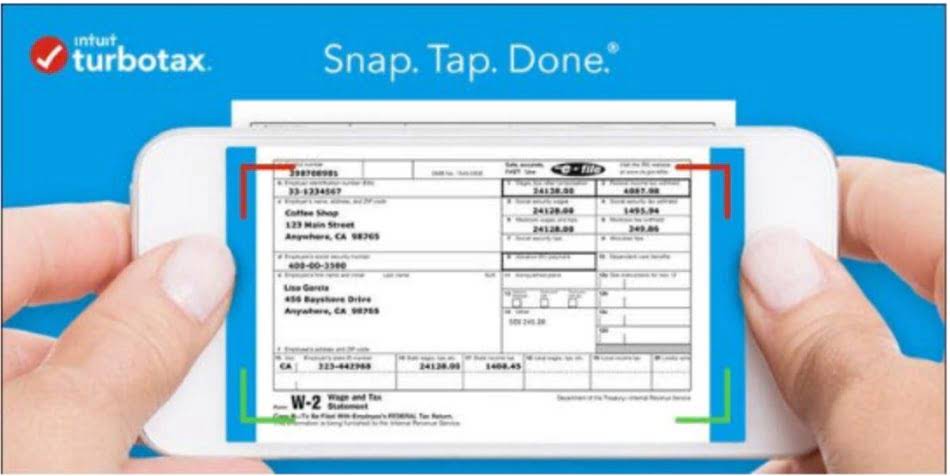
Platforms like FreeWill make it easy to address all the concerns discussed above. You can create a lead-capture page for stock donors, steward your relationships with ease, and automate form and receipt delivery. Whether you’re seeking to accept stocks for the first time or revamp your existing approach, you’ll need to make the case to your organization that it warrants attention. When it comes to managing, tracking, and depreciating fixed assets, it is extremely important to make sure you are doing it correctly.